How to Host Successful Community Workshops
Hosting community workshops can be a rewarding experience that fosters collaboration and enhances local engagement. However, organizing an effective workshop involves careful planning and execution. This article will provide practical insights and actionable steps to help you host successful community workshops that meet the needs of your audience.
Understanding the Importance of Community Workshops
Community workshops serve as a platform for sharing knowledge, skills, and resources among local participants. According to research, community engagement can significantly enhance social cohesion and collective problem-solving. Experts recommend that workshops focus on interactive participation, as this typically leads to better retention of information and more meaningful discussions.
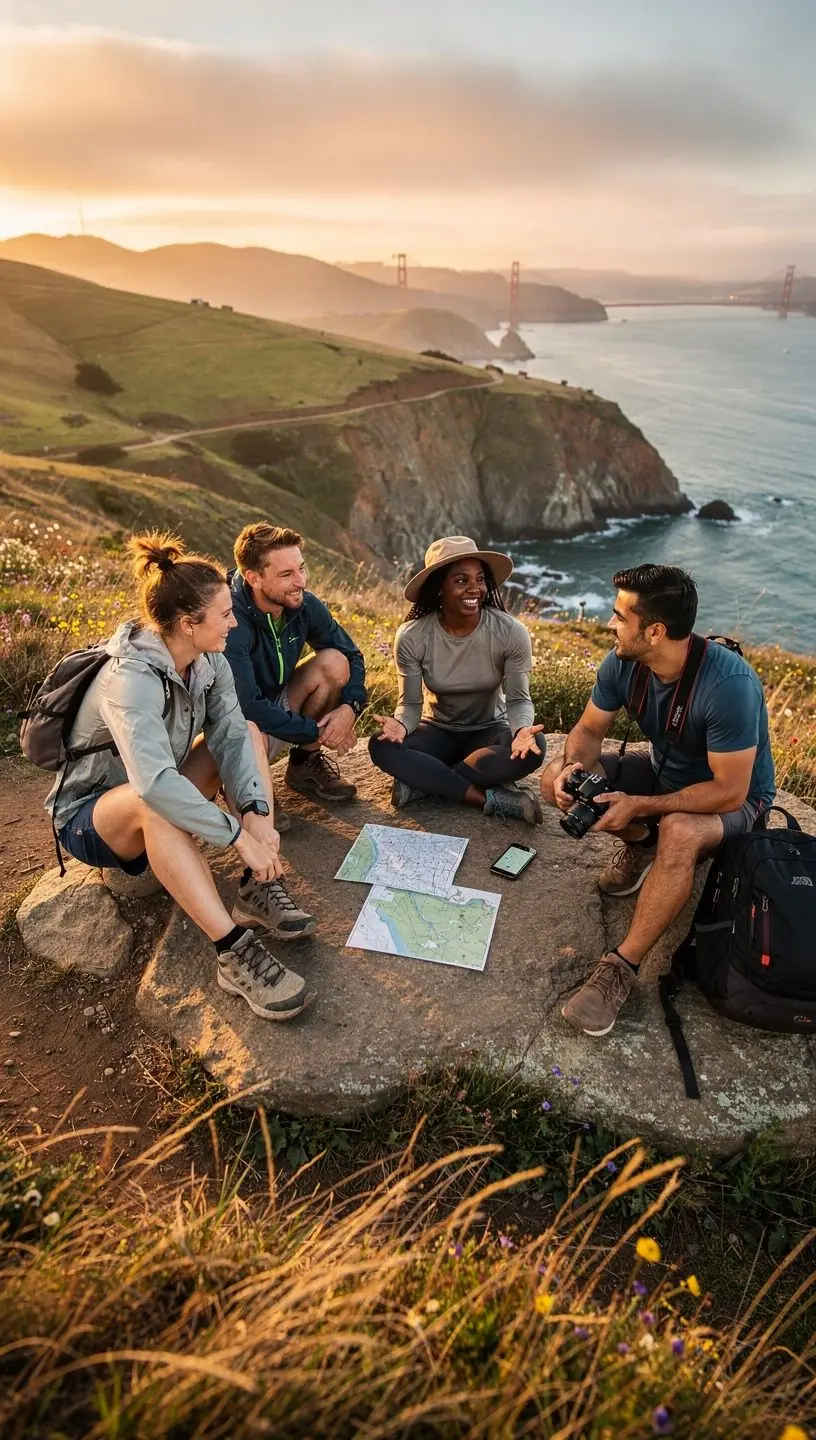
"Engaging local residents in workshops not only empowers them but also fosters a sense of belonging and community." - Community Development Expert
Planning Your Workshop
Effective workshops require thorough planning. Below are key steps to consider:
- Define Your Objectives: Clearly outline what you aim to achieve. Research indicates that having specific goals enhances participant satisfaction and workshop outcomes.
- Identify Your Audience: Knowing who you are catering to helps tailor content and activities. Consider demographics, interests, and needs that often drive engagement in community settings.
- Select a Suitable Venue: Choose a location that is accessible and comfortable for your audience. The environment can greatly influence participation; spaces that are welcoming and well-equipped often yield better results.
Designing Engaging Content
Content is crucial for the success of your workshop. Here are some strategies to keep participants engaged:
- Incorporate Interactive Activities: Utilize group discussions, role-playing, or hands-on tasks. According to studies, participants often report higher satisfaction when they are actively involved.
- Encourage Collaboration: Breakout sessions or small group activities can facilitate deeper conversations and allow for diverse perspectives. This method works best when participants feel comfortable sharing ideas.
- Utilize Visual Aids: Incorporating presentations, videos, and infographics can help convey complex information more effectively, catering to different learning styles.
Logistics and Follow-up
Effective logistics play a vital role in the execution of your workshop:
- Manage Time Wisely: Allocate time for each segment and stick to the schedule. Typically, workshops are most effective when they last between 2 to 4 hours, with breaks included.
- Gather Feedback: After the workshop, gather participant feedback through surveys. This practice is standard in the field and can help you understand what worked and what can be improved in future workshops.
- Follow Up: Send out a thank you message and any additional resources that were mentioned during the workshop. This can reinforce the learning experience and encourage ongoing engagement.
Conclusion
Hosting community workshops can be a fulfilling endeavor that strengthens local connections and fosters a collaborative spirit. By following these steps and maintaining realistic expectations, you can create events that truly benefit your community. Remember, preparation and engagement are key to achieving your objectives and building lasting relationships within your local area.