How to Foster Inclusivity in Neighborhood Events
Creating inclusive neighborhood events is essential for building a strong community. By ensuring all residents feel welcomed and valued, these events can enhance social ties and boost local participation. This article explores practical strategies to foster inclusivity in your community initiatives.
Understanding the Importance of Inclusivity
Inclusivity in community events is crucial for promoting social cohesion. According to research from the American Psychological Association, diverse participation in community activities can lead to improved mental well-being and a sense of belonging among residents. Events that reflect the diversity of the community often see increased engagement and support.
"Inclusive events help individuals feel valued and connected, which is vital for community health." - Community Engagement Expert
Key Strategies for Fostering Inclusivity
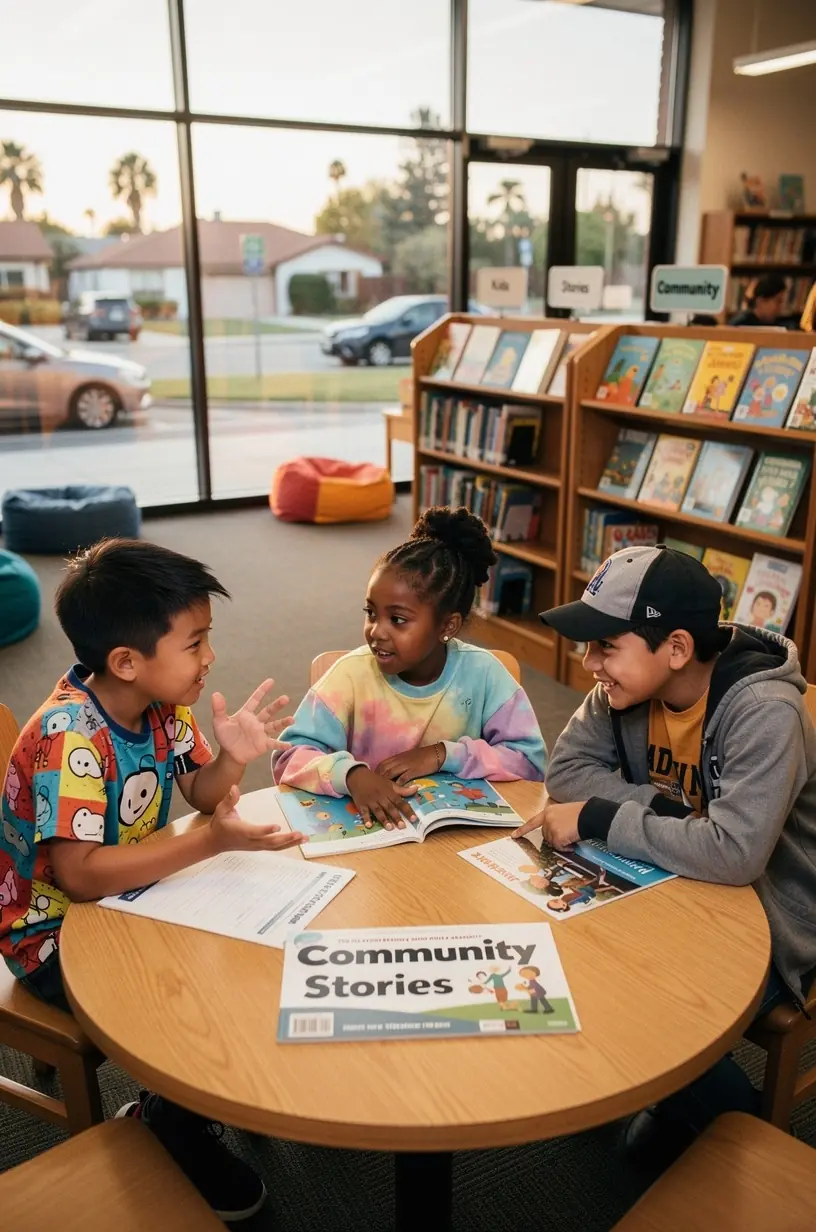
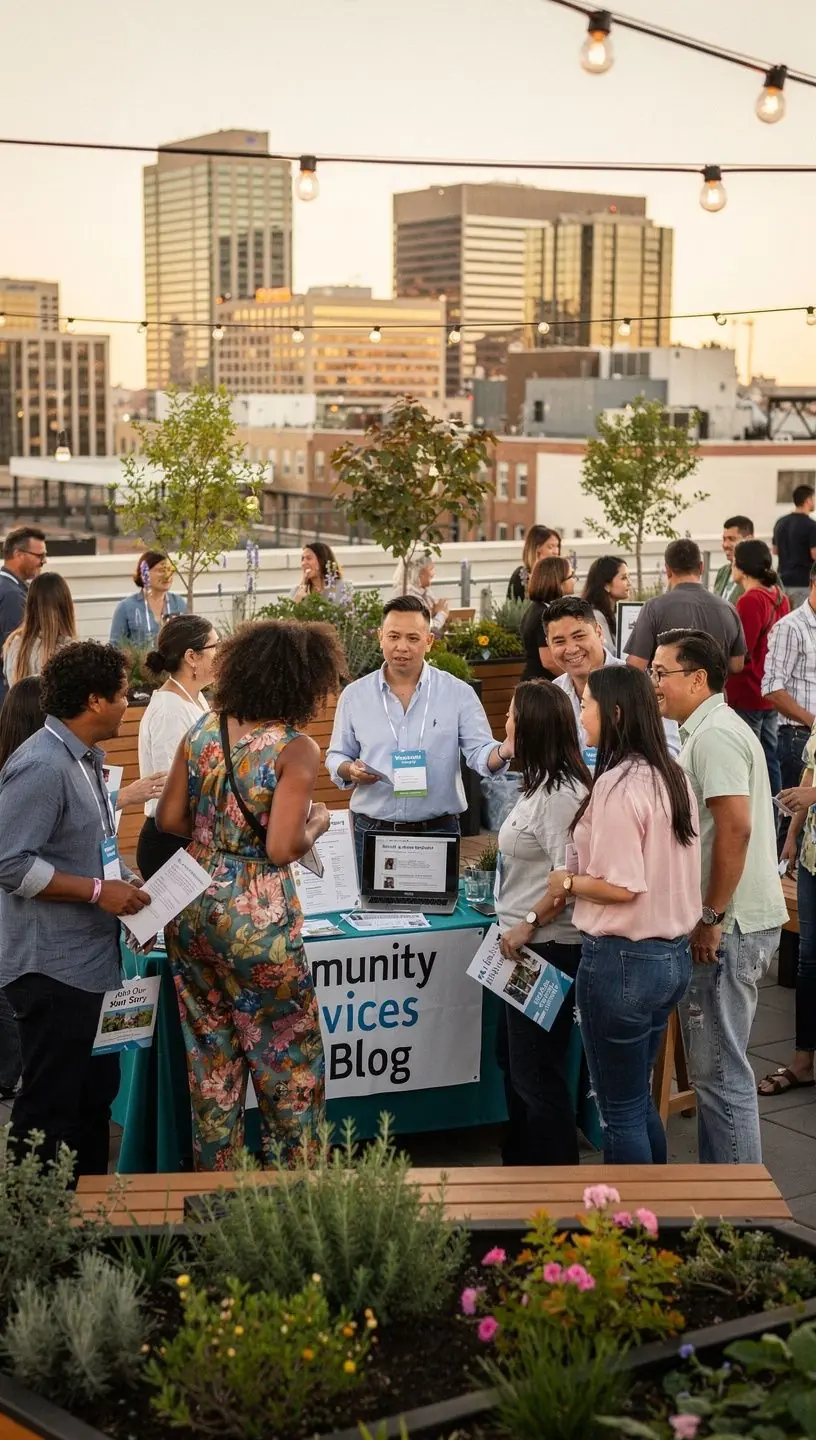
- Engage Local Voices: Involve a diverse group of residents in the planning process. This ensures that the event reflects the needs and interests of the entire community. Studies show that events co-created with community input typically result in higher attendance and satisfaction.
- Access and Accessibility: Make sure that the venue is accessible to everyone, including those with disabilities. This may involve ensuring wheelchair access, providing sign language interpreters, or offering materials in multiple languages. Research indicates that events accommodating diverse needs can increase attendance by up to 30%.
- Variety of Activities: Offer a range of activities that appeal to different age groups and cultural backgrounds. This works well because diverse programming often attracts a wider audience. Experts recommend including activities such as music, art, and food from various cultures to promote engagement and appreciation of diversity.
- Use Inclusive Language: Ensure that all promotional materials use language that is welcoming and inclusive. Avoid jargon that may alienate certain groups and instead use clear, relatable terms. This approach can improve community perception and increase participation rates.
Promoting the Event Effectively
Effective promotion is key to attracting a diverse crowd. Utilize various platforms to reach different demographics, including social media, community boards, and local newspapers. According to experts, targeting multiple channels increases the likelihood of reaching underrepresented groups.
Overcoming Challenges
While fostering inclusivity is essential, it does come with challenges. Achieving full engagement may require ongoing effort and adaptation. For instance, it typically takes several events to understand what approaches work best within your specific community context.
Also, inclusivity efforts require dedicated time and resources, which can be a constraint for some community organizers. However, the long-term benefits of increased community cohesion and participation often outweigh these initial challenges.
Conclusion
Fostering inclusivity in neighborhood events is not only beneficial for individual participants but also critical for the overall health of the community. By engaging local voices, ensuring accessibility, and promoting diverse activities, you can create events that bring people together and celebrate differences. Remember, the journey to inclusivity is ongoing; continuous feedback and adaptation are key elements in building a truly inclusive community.
Continue Reading